

Gum treatment in Palma
Gums do not hurt until it is late. So they get measured.
A disease that advances quietly
Periodontitis eats away the bone the tooth is anchored in, and it gives no warning: it does not hurt. By the time a tooth moves, the support that has gone does not come back. From there the aim changes — not to recover, but to halt the disease and keep what is still standing.
It is diagnosed by measuring
To the eye, a diseased gum can look perfectly fine and hide six-millimetre pockets underneath. So the diagnosis is not made by looking: six points are probed on every tooth, radiographs are added and every figure written down, because without that record the next reviews have nothing to compare against.
Maintenance decides the prognosis
The active phase brings the infection under control but does not remove it for good. What determines whether you keep your teeth at ten years is sticking to the reviews, at an interval set by your own risk rather than by a standard calendar.
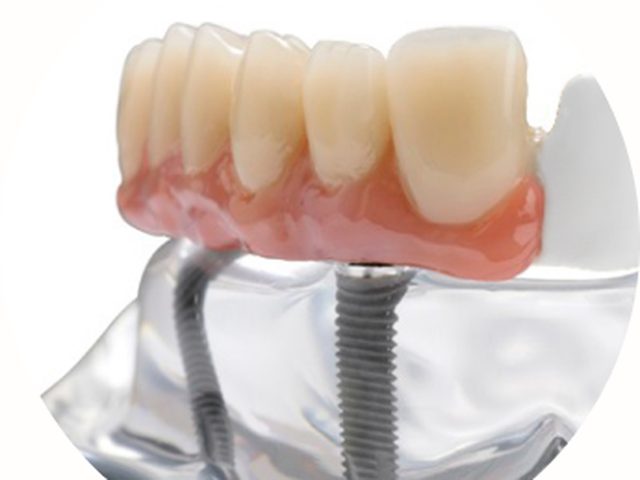
Gum treatment is a prerequisite for any implant: placing one over diseased gum compromises it from day one.
-
Stops bone loss
The aim is to halt progression before teeth are lost.
-
Measured diagnosis
Six-point probing per tooth and radiographic control, not a visual estimate.
-
Tailored maintenance
Check-up intervals are set by your actual risk, not a standard calendar.
At this clinic
Periodontics at the Palma clinic
The initial probing is recorded so that each review compares the actual course of things, not a subjective impression.
The maintenance happens on the island, which is what makes keeping to it for years realistic.
- Six-point probing recorded and comparable.
- Maintenance locally, without travelling.
How it is treated
-
Periodontal study
Full probing, radiographs and a baseline record so progress can be measured.
-
Treatment phase
Scaling and root planing by quadrant, with laser or surgery where the case requires it.
-
Maintenance
Regular reviews matched to your risk. This phase determines the long-term outcome.
Common questions
Frequently asked questions about this treatment
01 My gums bleed when I brush — is that normal?
No. Healthy gums do not bleed. Bleeding is the first sign of inflammation and, at that stage, treatment is straightforward and the damage reversible.
02 Can periodontitis be cured?
It can be controlled, not cured in the sense of regrowing lost bone. The aim of treatment is to halt progression and stabilise the situation. That is why early diagnosis changes the prognosis so much.
03 Does scaling and root planing hurt?
It is carried out under local anaesthetic, quadrant by quadrant. There may be cold sensitivity in the days afterwards, which settles.
04 Can I have implants if I have had periodontitis?
Yes, but the disease has to be stabilised first. Placing implants alongside active periodontitis greatly increases the risk of peri-implantitis and implant failure.
05 How often do I need maintenance appointments?
It depends on your individual risk: for some patients every three months, for others every six. The interval is set after the treatment phase and reviewed over time.
Other treatments you may be interested in

First assessment
Request your periodontics assessment in Palma de Mallorca
- We call you to understand your case before proposing anything.
- Diagnosis with digital planning and a fixed written quote.
- No obligation: if you do not need treatment, we will tell you.
Prefer to talk to us directly? 605 656 914 · WhatsApp